PCTFEPolychlorotrifluoroethylene
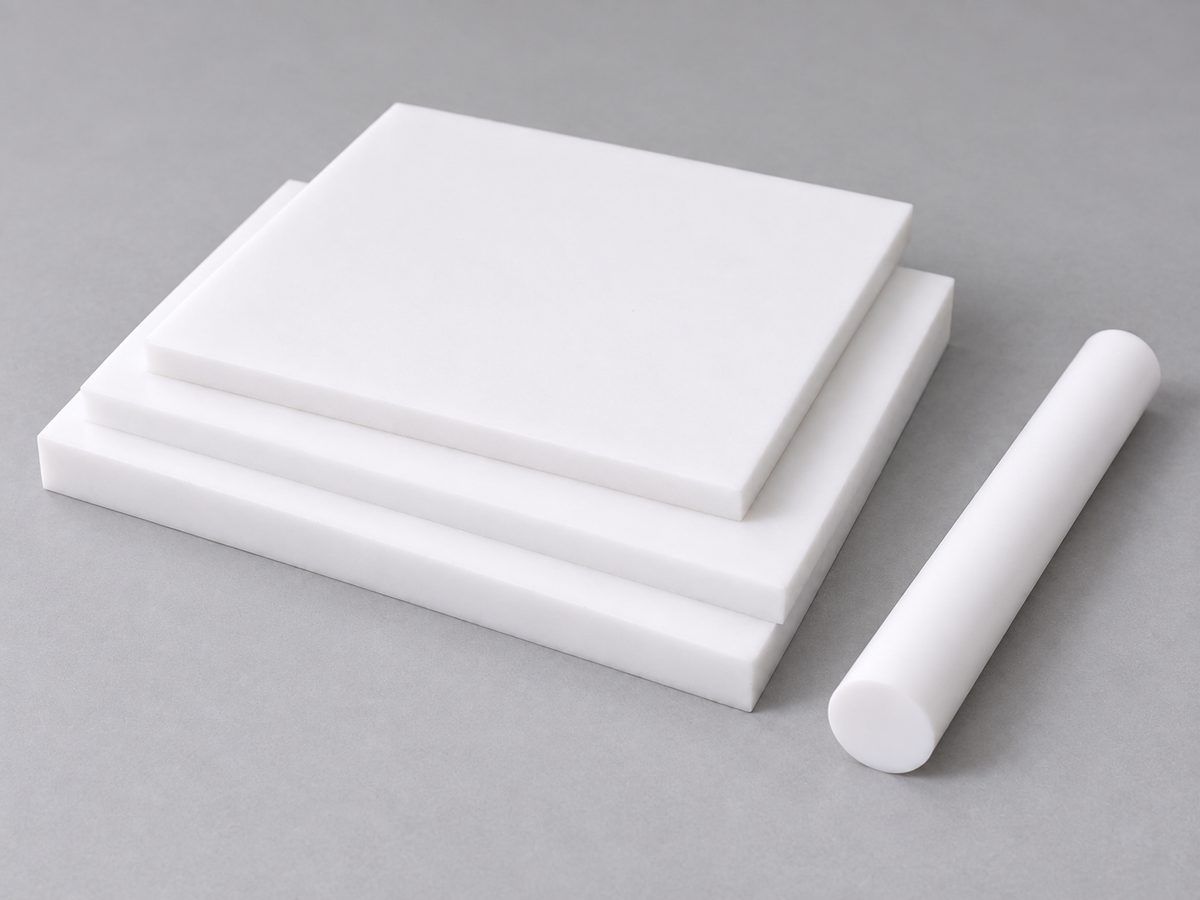
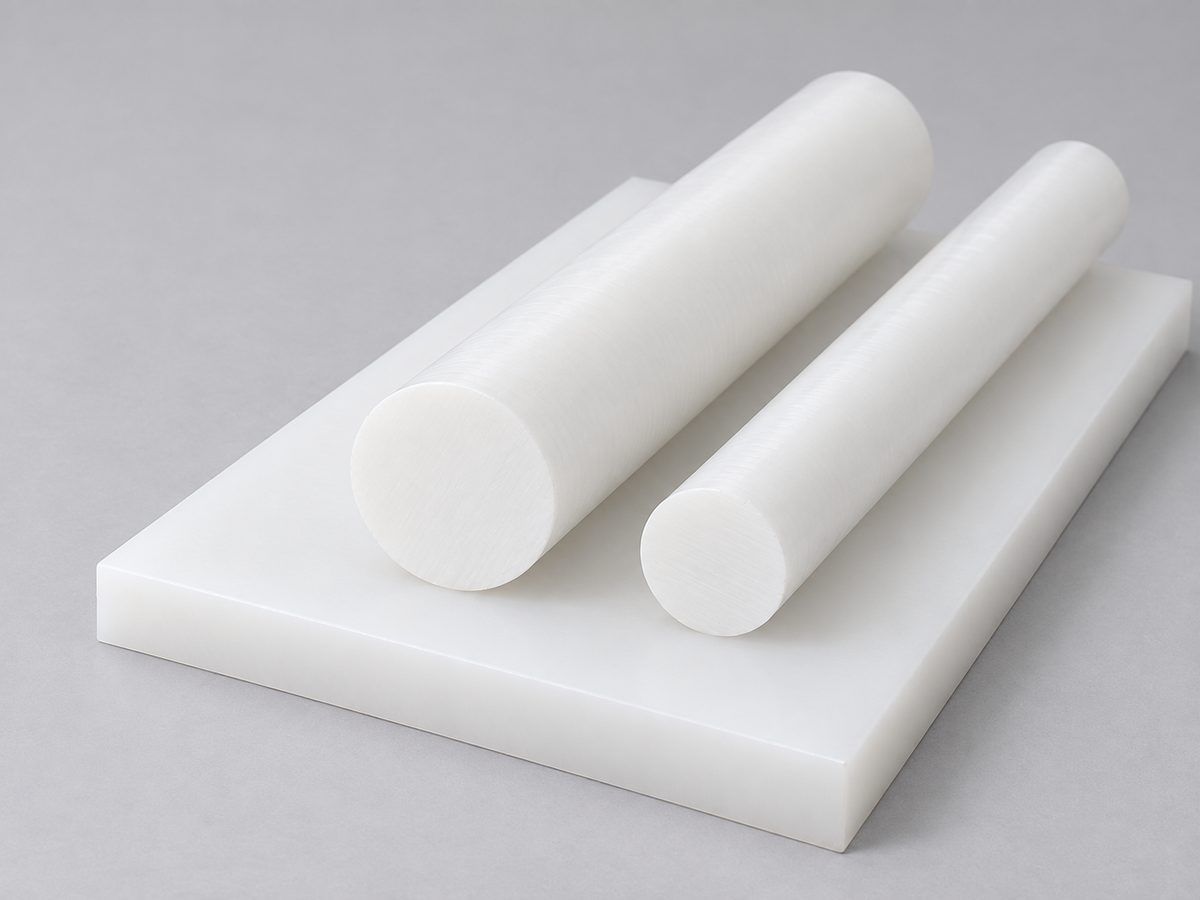
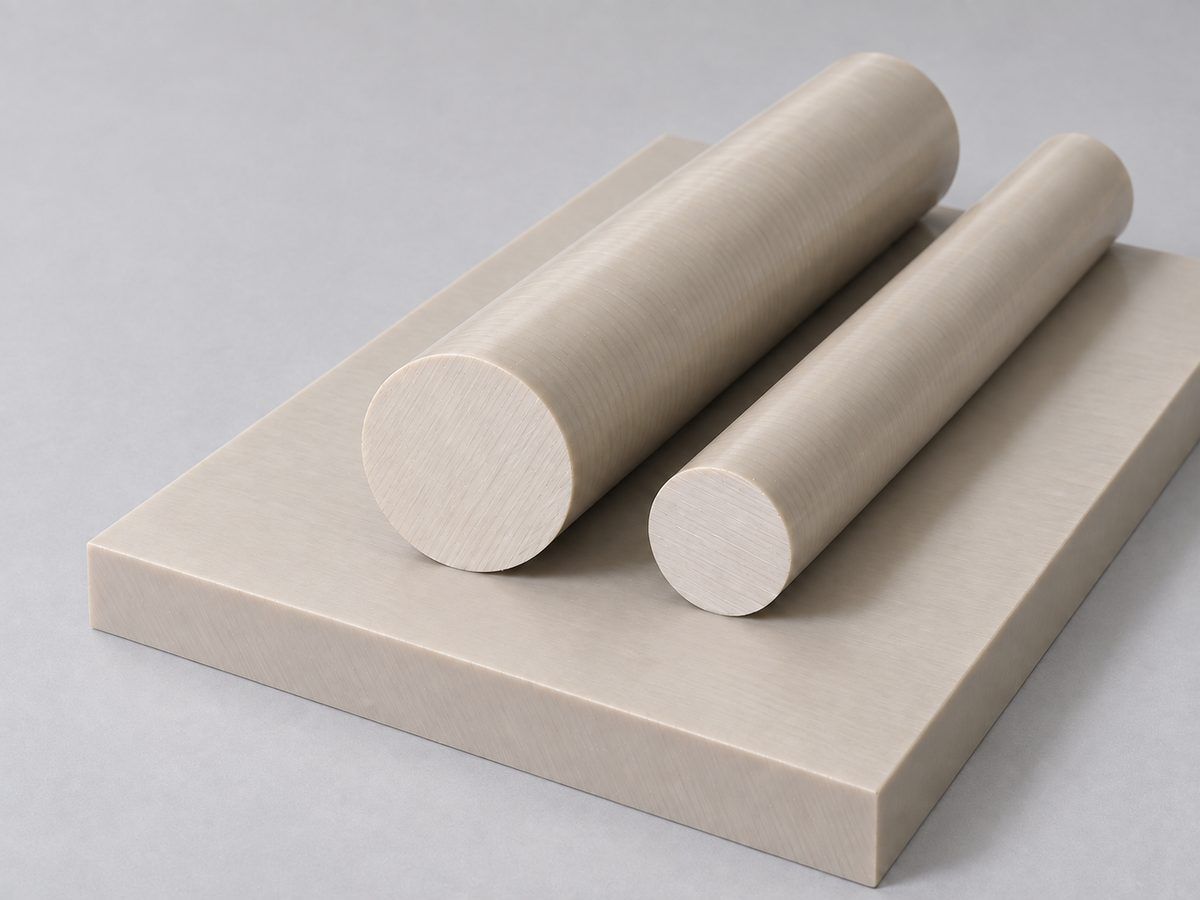
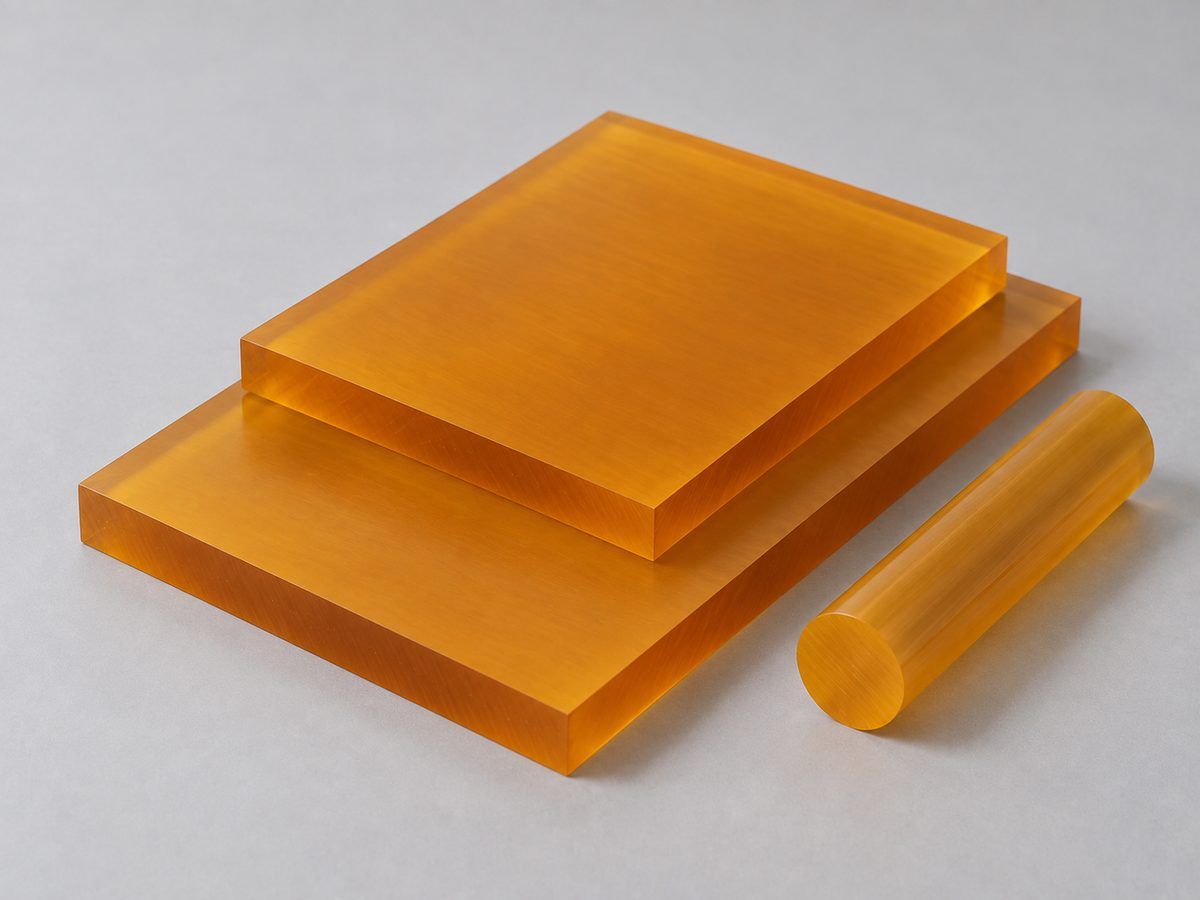
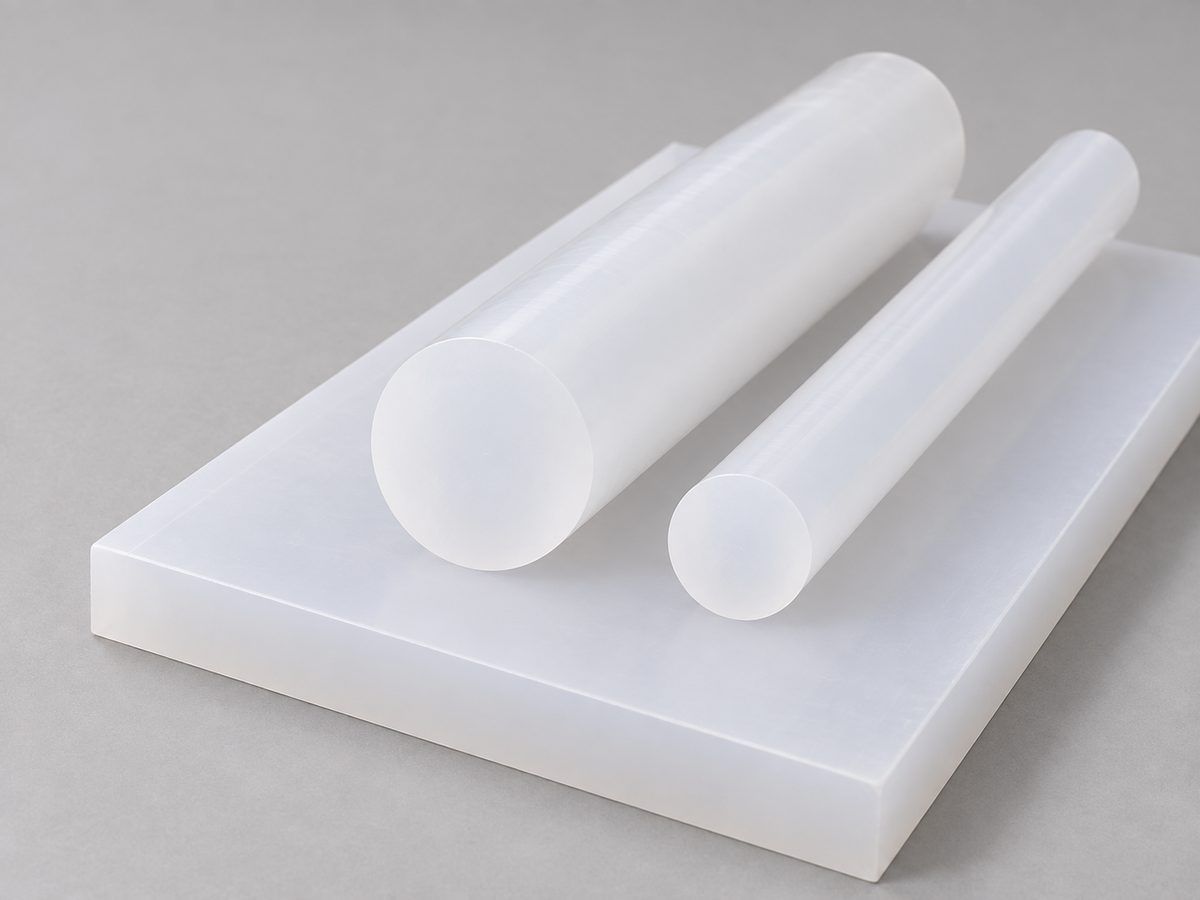
PCTFE is a fluoropolymer with excellent chemical resistance and a translucent appearance. It handles temperatures from -50℃ to 180℃, and its compressive strength is higher than that of PTFE, making it suitable for mechanical and chemical gaskets, especially under high pressure.
- Temperature range
- -50~180℃
Features
Heat resistance from -50℃ to 180℃
Withstands temperatures from -50℃ to 180℃.
Stable at cryogenic temperatures
Excellent dimensional stability and impact resistance at cryogenic temperatures.
Resists strong acids and alkalis
Strongly resists strong acids, strong alkalis, mixed acids and oxidizers, but can swell in halogenated solvents.
Translucent appearance
Offers a level of transparency not found in PTFE.
Excellent electrical properties
Low dielectric constant and low dielectric loss tangent.
Higher compressive strength than PTFE
Suitable for mechanical and chemical gaskets, especially high-pressure ones.
Properties
| Property | Unit | Test method | Value |
|---|---|---|---|
| Heat resistance range | ℃ | — | -50~180 |
| Density | g/cm³ | — | Pending |
| Tensile strength | MPa | — | Pending |
| Flexural modulus | MPa | — | Pending |
| Heat deflection temperature | ℃ | — | Pending |
| Water absorption | % | — | Pending |
Typical values; they vary by grade and form. Rows marked “Pending” are still being verified — ask for them with your quote request if you need them.
Applications
- Liquid inlet pipes and piping for corrosive chemicals
- Heat-resistant electrical components
- Packing, flanges, linings and piping for chemical machinery
- Transport packs and packaging films for chemicals, biological samples and pharmaceuticals
- Level gauges and liquid-level indicators for chemical plants
- High-pressure chemical gaskets
- Bubbling tubes
Compare with other materials
Side-by-side comparison guides are in preparation. See each material page for sizes and properties.
Frequently asked questions
What temperature range can PCTFE handle?
It handles -50℃ to 180℃ and keeps excellent dimensional stability and impact resistance at cryogenic temperatures.
How does PCTFE differ from PTFE?
PCTFE has higher compressive strength than PTFE, which suits high-pressure gaskets, and it is translucent, offering transparency not found in PTFE.
Are there chemicals PCTFE does not resist?
It can swell in halogenated solvents. It strongly resists strong acids, strong alkalis, mixed acids and oxidizers.
Where is PCTFE mainly used?
High-pressure chemical gaskets, piping for corrosive chemicals, level gauges and liquid-level indicators in chemical plants, and packaging films for chemicals, biological samples and pharmaceuticals.