
Anti-static coating technology
Static on plastic surfaces attracts dust and causes electrostatic discharge (ESD), leading to product defects and equipment malfunctions.Q-Tech’s proprietary anti-static coating lowers the surface resistance of acrylic, PC and PVC panels for static-sensitive production environments.
The coated surface
One coating provides both static control and a hard coat, so the surface suppresses static and resists scratches and solvents.
Static control
Lower surface resistance suppresses static build-up. Static discharges within 0.1 seconds.
106~109 ΩASTM D-257 · MIL-B-81705C
Surface hardness
The hard-coated surface resists scratches, with good results in steel wool and RCA abrasion tests.
4H (acrylic) · B (PC)Pencil hardness
Chemical resistance
The hard coating stands up to solvents and weathering, with good results in IPA, methanol and acetone tests.
IPA · methanol · acetoneVisual inspection
Clarity and gloss
Keeps the original clarity and gloss of the acrylic, PC or clear PVC sheet.
Total light transmittance 0.86ASTM D1003
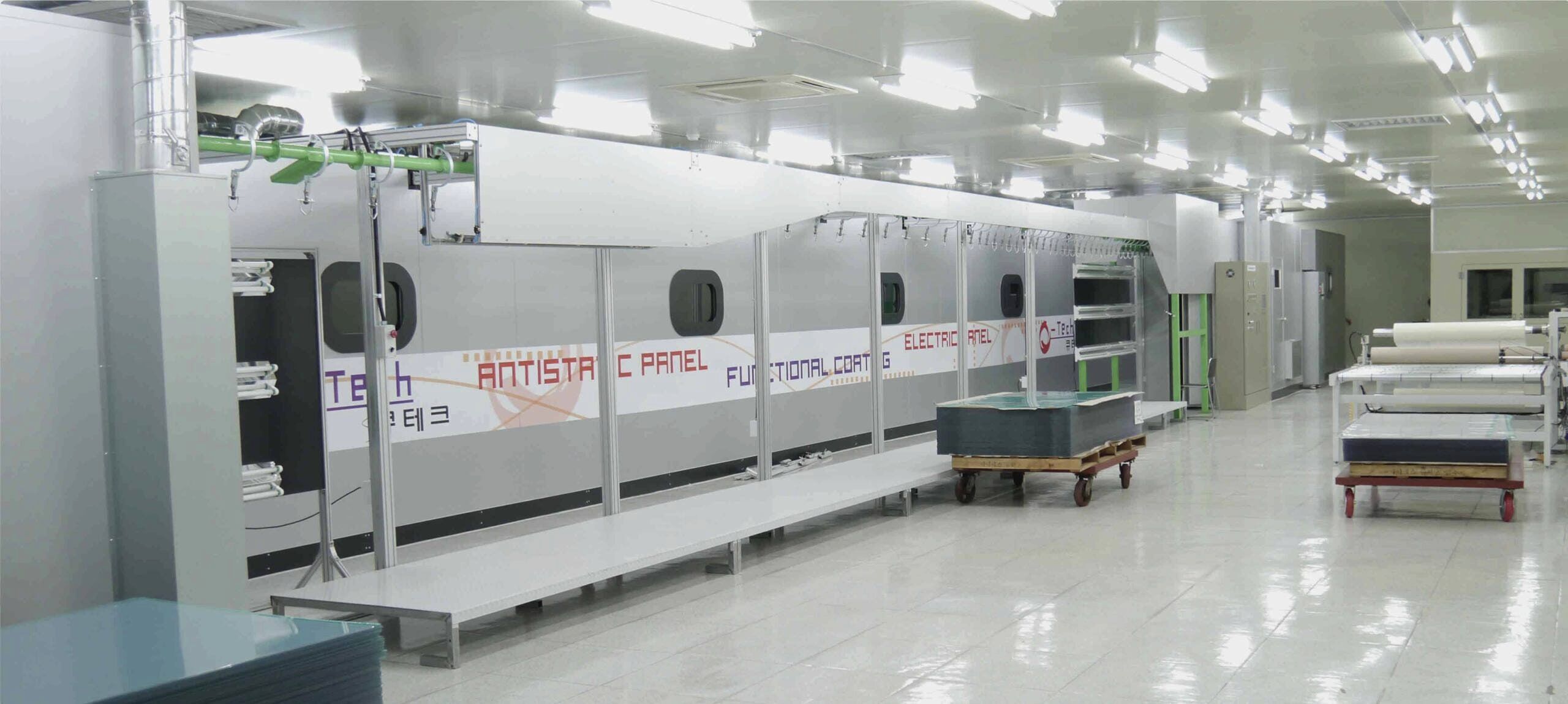
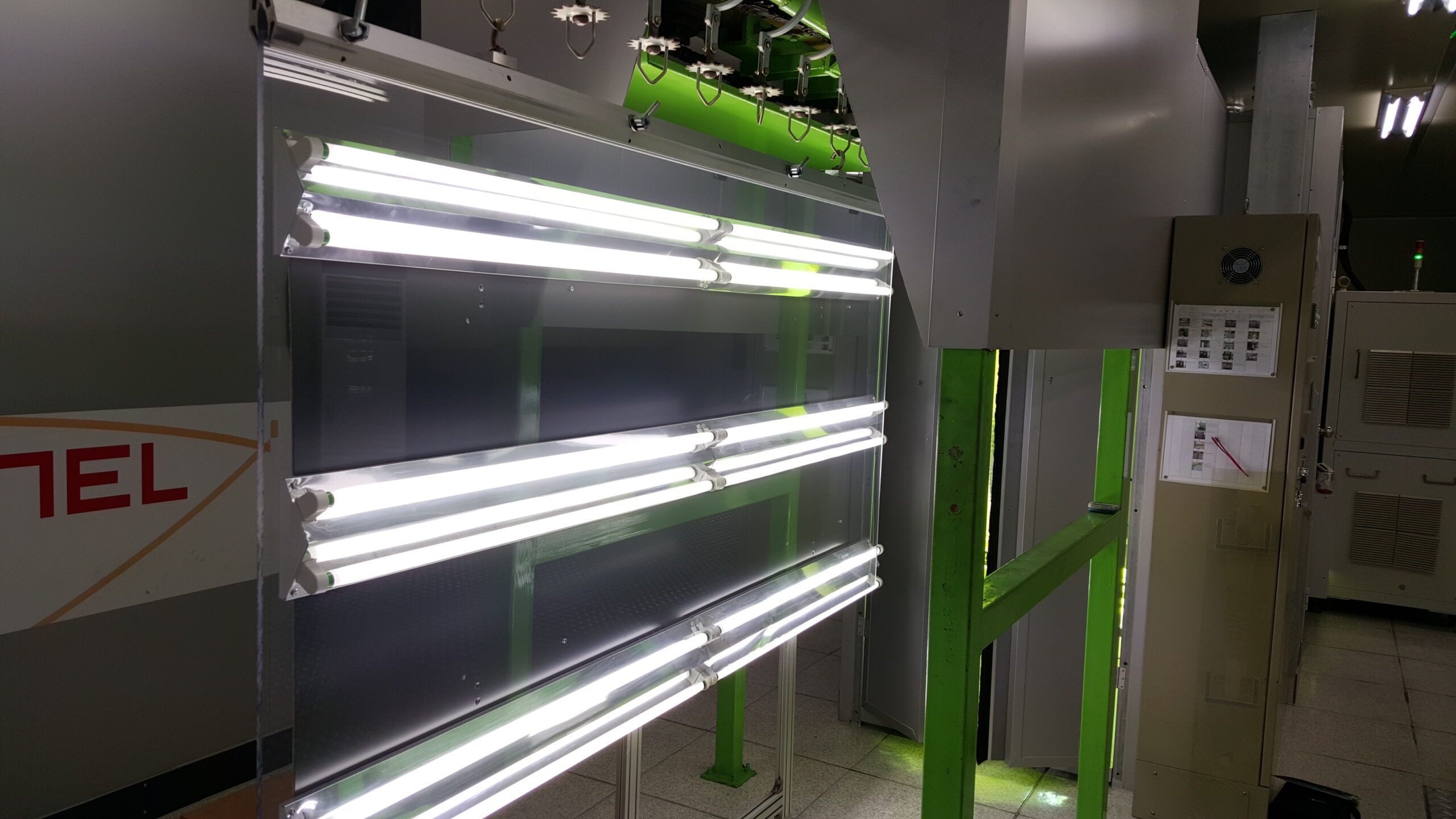
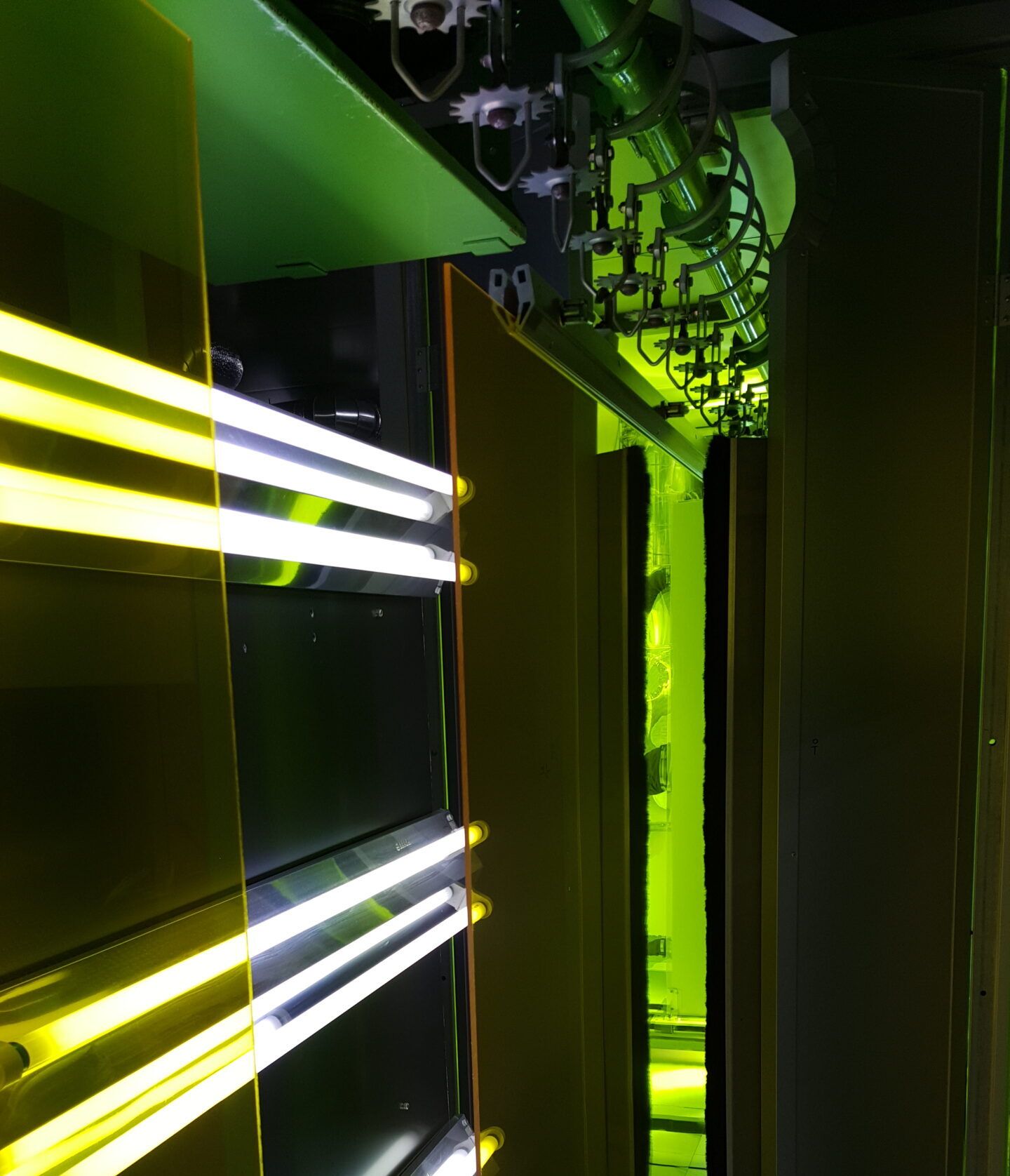
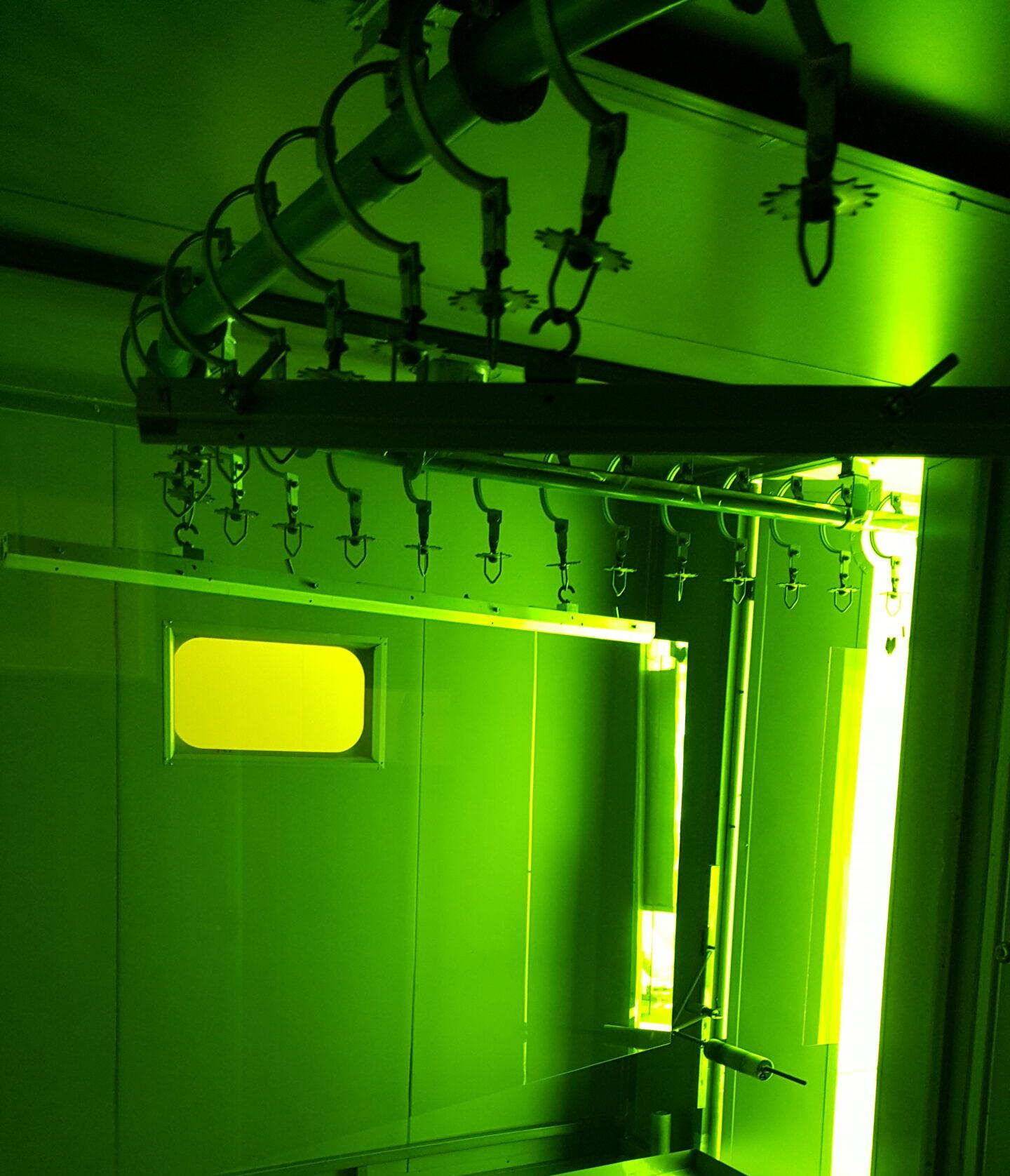
Coated on our own line
We coat anti-static panels for semiconductor manufacturing equipment and displays on the coating line at the Q-Tech plant. Coated panels are inspected for appearance, optical, electrical and reliability properties.
Products by base sheet
The anti-static coating is applied to acrylic, polycarbonate and PVC sheets.
Electrical properties
Surface resistance and static discharge time are measured with the following methods.
| Property | Unit | Value | Test method |
|---|---|---|---|
| Surface resistance | Ω | 106~109 | ASTM D-257 |
| Static discharge time | s | 0.1 max. | MIL-B-81705C |
Quotes and product questions
Tell us the model, thickness and quantity for a quote, or ask us about product specifications. Color can vary slightly between production lots, so let us know if it must match.